— VIA —
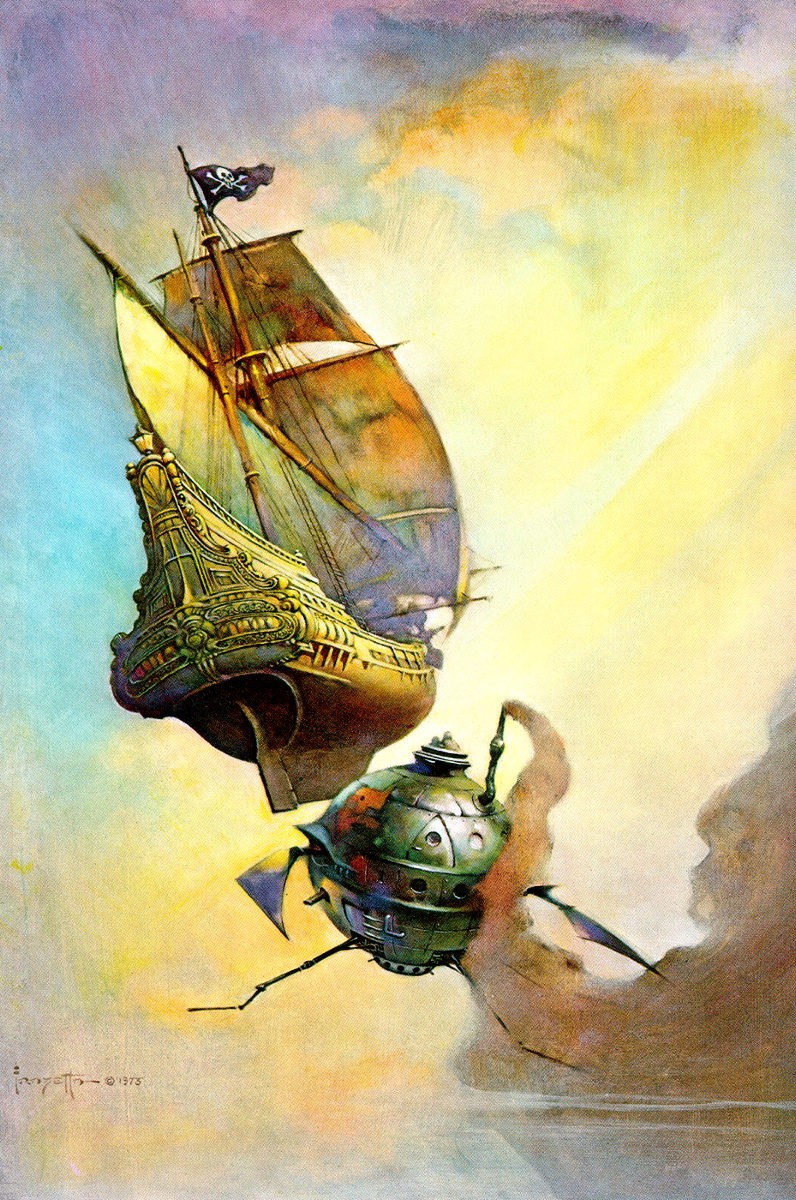
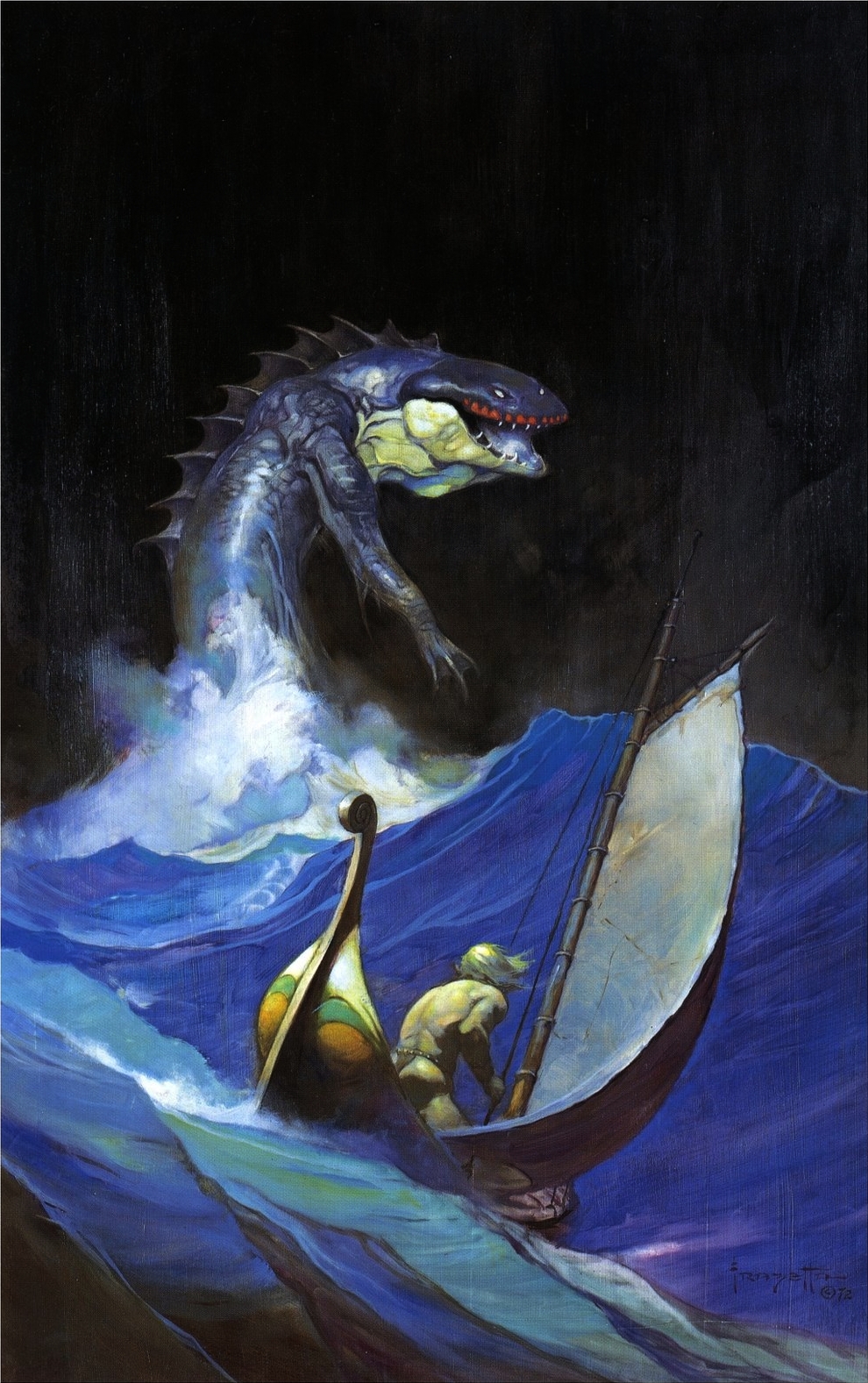
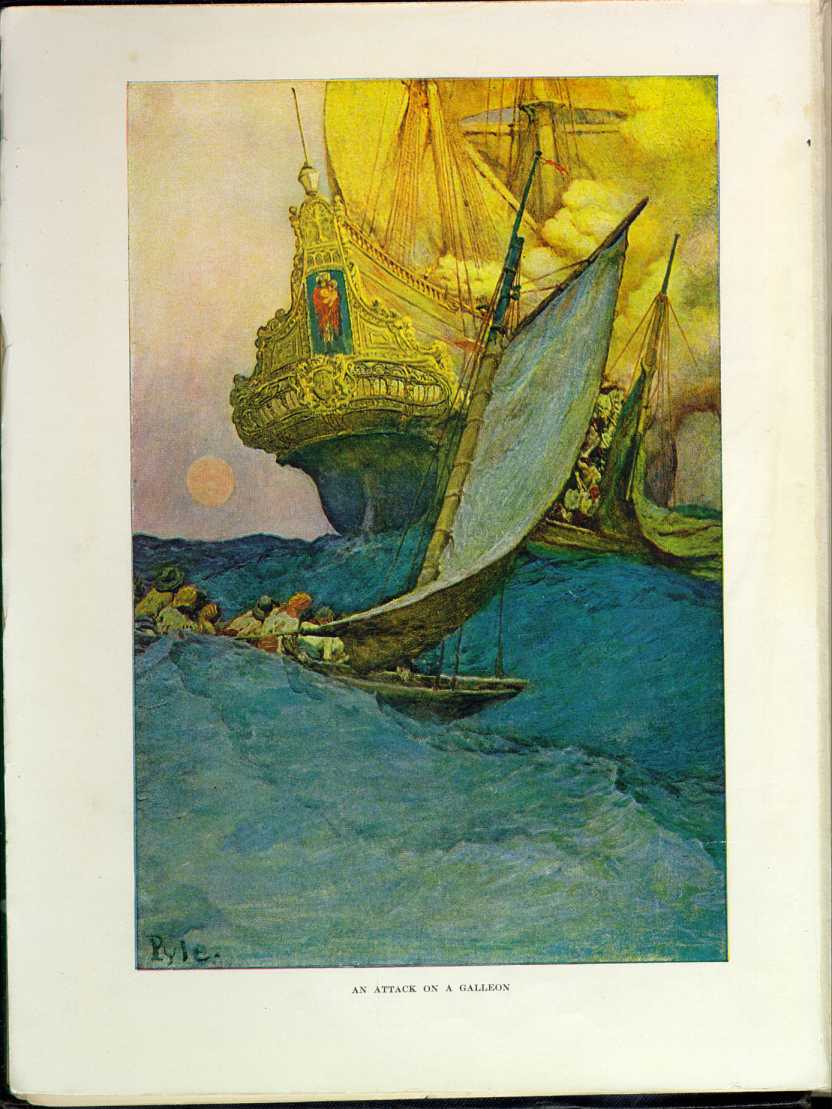
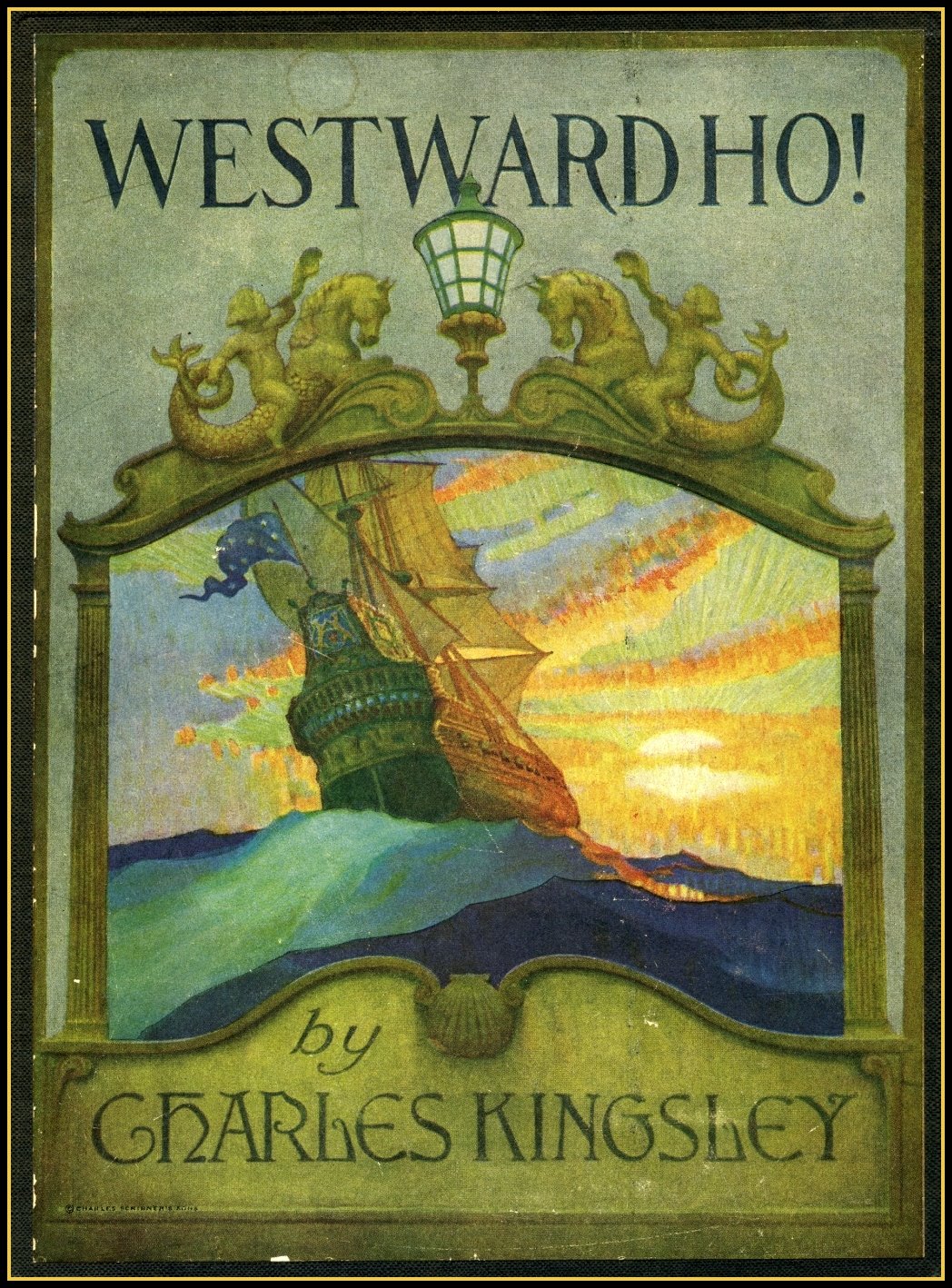
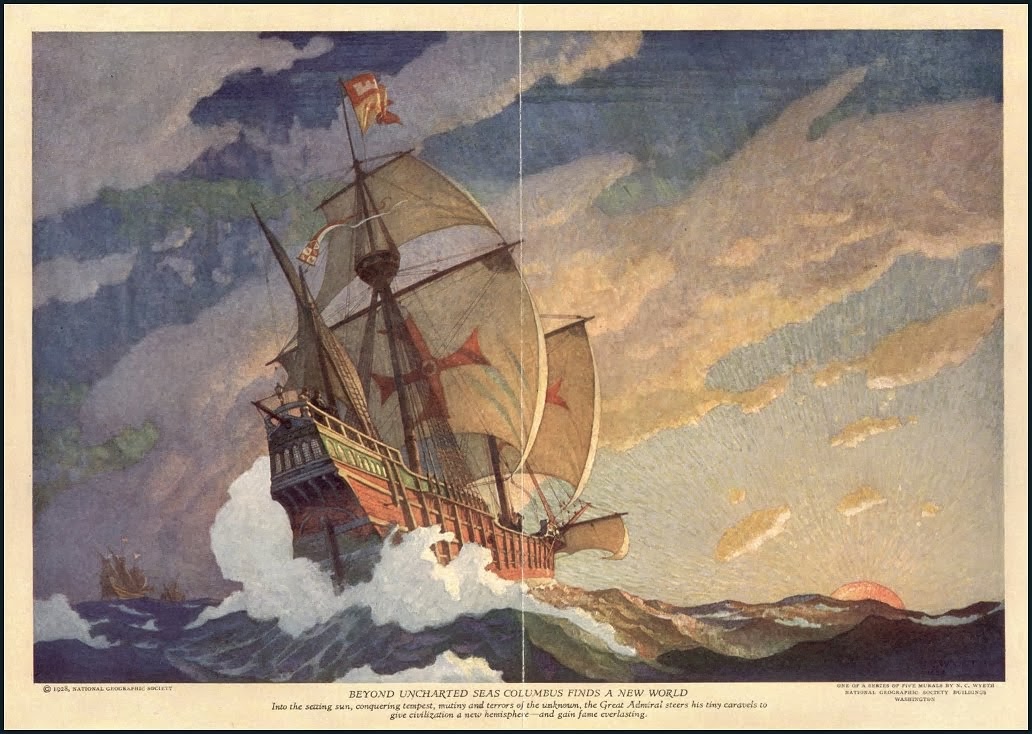
Frazetta’s obvious borrowing from Pyle has been pointed out many times in the past; however, I’ve never seen anyone add Wyeth’s painting to the mix (although surely someone has, the line of influence being so clear). Now, of the three galleon paintings, it seems obvious to me that Pyle’s original effort is not only the first but also the best of the three. It’s the best composed; it’s the most expressively painted; it’s the most dramatic. No wonder Wyeth and Frazetta (who seems to me to have borrowed as much from Wyeth’s galleon as from Pyle’s) were enthralled by Pyle’s Attack on a Galleon. It’s a masterpiece. And which of the remaining two galleon paintings is the weakest, Wyeth’s picturesque, chocolate-box cliché or Frazetta’s virtuosic but underdeveloped pastiche? You decide…
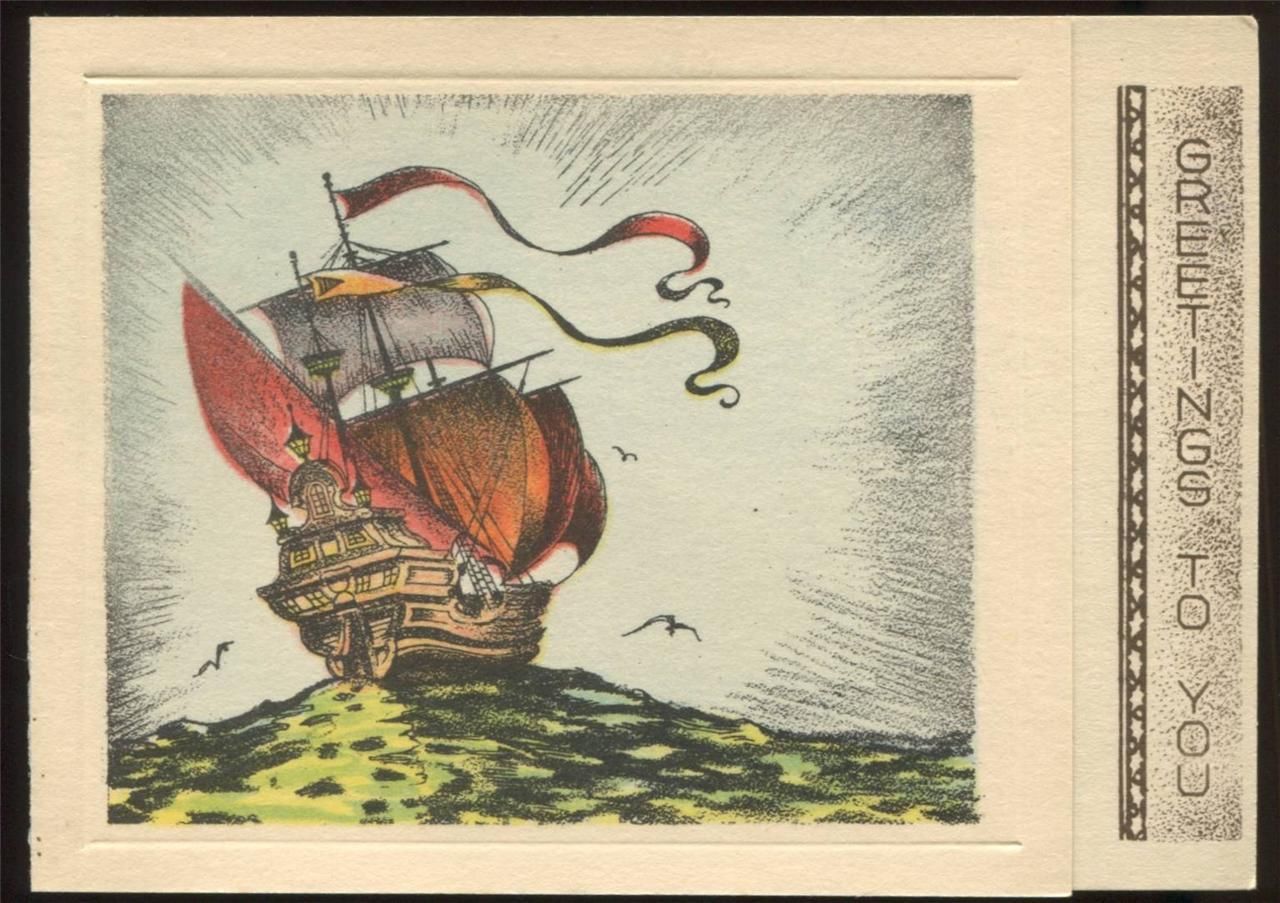
BONUS IMAGE (added 23 December 2013):

 Ragged Claws Network
Frazetta is an amazing talent, but it seems his greatest artistic debt was to his friend, the late Roy Krenkel, who introduced Frank to the work of Pyle, Wyeth, Joseph Clement Coll, Norman Lindsey, J. Allen St. John and a host of other illustrators, without whom, Frazetta’s work would have been the lesser. Krenkel even provided the color (and compositional) roughs for Frazetta’s early CREEPY and EERIE magazine covers until he was off and running on his own.
LikeLike
Reference photo in preparation for the 1977 “The Gauntlet” movie poster (though this isn’t the actual photo Frazetta used for the finished piece):
http://tinyurl.com/34keq98
LikeLike
By all accounts, including his own, Frazetta loved cameras and took thousands of photographs during his lifetime. But he always denied that he used photo reference in his work. I wonder what he would say about the claim in that article that “Frank uses himself as the model to take photos in various positions to capture the correct position.” He couldn’t very well say the writer was mistaken; a sample reference photo is there, for everyone to see. Would he say that he only used reference photos of himself for the Gauntlet job? Maybe. However, the more I learn about Frazetta’s studio practice from people who observed him at work, the more I think Frazetta’s statements about how he produced his famous illustrations were invariably tinged with self-aggrandizement. Frazetta liked fans of his work to think that he just sat down at the easel, usually right before the deadline, and produced his paintings from scratch, out of his head, overnight. The public record, however — physical evidence as well as the testimony of friends and acquaintances — reveals a more mundane reality: Frazetta regularly produced preliminary drawings and colour comps for his paintings; he used an opaque projector to enlarge selected preliminary drawings, which he then transferred by tracing onto canvas; he used swipes for some elements; he drew from imagination; he drew from life; he drew from photo reference that he himself took; and so on. None of which ought to diminish anyone’s appreciation for Frazetta’s tremendous talent or accomplishment as a commercial artist. But Frazetta, in my humble opinion, is more admirable as a fallible human being than as a god.
LikeLike
I agree with your assessment 100%, RC! A marvellous, staggering talent, doubtless—but he used photo reference as much as the next fellow. Not a problem, just the bogus PR that “it all came from his imagination” is rubbish. That article, by the way, was from the self-published book Frazetta: the Living Legend (1980). It seems he (and those around him) changed his tune about his work methods afterwards to enlarge the “legend.” Totally unnecessary—he’s one of the all-time greats.
LikeLike
First of all I think Frazetta’s work is unmatched in its power to deliver a mix of vibrant dynamic situations with dark subtle color and shadows. His way of controlling your focus by creating images out of ambiguous shapes of paint and turpentine washes pushes the viewer to imagine more than is there. Frazetta was amazing.
The painting of the floating ship was an image he swiped from an earlier artist. It’s terrible that he said he never saw it anywhere and somehow was able to paint the ship with a lot of the same exact shapes while altering a few minor details (from one of the Underwood Collections). That statement proves he was so full of himself to the point he’s willing to deny something so obviously copied. Unlike the human anatomy I think it’s harder to try to change the direction of a ship’s angle and that sort of thing. He has an amazing amount of powerful work, but he has quite a less than stellar images. Those never appear in most books, but thank goodness for the internet we can find them.
It’s a shame how his comments gave people like Jeff Jones a bad idea of how to make great work. When people slowly found out that the living legend used photos (which is nothing to be ashamed of) and so forth all those artist suddenly got better. Frazetta the artist was amazing, but I’ll bet Frazetta the person was full of it and his little groupie tag-alongs only helped him continue to think that. He’s not the only one. I often run into artists today who carry that ego like a belt buckle. I’ve distance myself from trying to be friendly with artists. I usually end up disliking them terrible (Joe Jusko and several others). Other artists like Brom are amazingly nice to speak with in person and are legends in their own rite. Frazetta’s ego maybe helped him push further to create the very best artwork he can make, but I’m sure on his bad days it ate him up with self denial, self hate and depression. When you start any image all the very best images that came before doesn’t help much with a blank canvas. You have to prove yourself each any every time. Sometimes fearing you will never be able to do better than the one prior. But like his photographs (he probably burned them while sacrificing a large anaconda in his backyard on a large pit) we’ll never know that side of him…unless more people come out of the woodworks an speak about him. I’m sure more will come out.
LikeLike
You are obviously a man of strong opinions, Luis. I was hesitant to approve your comment, but as you can see, I’ve decided not to trash it. If I wanted a career in illustration, I doubt that I would be quite as blunt in my public assessments of my fellow artists as you’ve been here. But you know what’s best for you, I guess. If you should have a change of heart, however, just let me know, and I’ll delete your comment, no questions asked. Thanks for stopping by!
LikeLike
What is the bonus image on this page? It says “Greetings To You”
LikeLike
The bonus image is a scan of a greeting card (!) that I stumbled upon on ebay. I don’t know who the artist is. I try to be careful about artist credits, but as I recall, the info wasn’t included in the listing.
LikeLike